

Righteous Apparel Value Guide Editor Approved Picks
Distinguishing Genuine Righteous Clothing from Fakes: A Buyer’s Checklist
In 2026, trying to shop for streetwear entails wading through a dense landscape of imitators, resellers, and outright counterfeits. We Are Righteous has earned a reputation on thoughtful design and honest construction, which regrettably makes it a magnet for being counterfeited. This checklist takes you through the concrete details that separate a real Righteous piece from a counterfeit, so you can shop assured you’re getting the real thing whether you’re grabbing your first hoodie or putting together a full wardrobe of righteous apparel.
What follows isn’t concerned with label elitism. It’s focused on protecting your money and getting the piece you really paid your money for. A bootleg garment hardly maintains its form, colour, or seams past a few washes, and it never carries the same heft — both physically and in reputation — compared to something produced with genuine quality oversight. What follows outlines what to verify before buying and what to look over once the package arrives.
Start From the Source
For genuine peace of mind you receive authentic righteous garments, the single most reliable way is purchasing straight from We Are Righteous or from a retailer the brand has explicitly authorised. Third-party marketplaces are the riskiest route, not because every seller is dishonest, but because confirming authenticity becomes tougher once a product changes hands multiple times. When a listing offers no clear information about the seller, no returns process, and a price that seems suspiciously low against the brand’s standard price bracket, treat it as a warning sign rather than a good deal.
If you’re shopping for used items, check the rightious sale seller’s history. Fake-goods sellers often show a common pattern: a seller with dozens of listings spanning unrelated brands, vague photos, and stock images in place of real product shots. Genuine sellers, including private resellers of authentic pieces, will typically have photos of the actual item, including tags, care labels, and stitching close-ups. If such photos are absent, ask for them before committing.
Another smart move is to look over some genuine write-ups. A we are righteous assessment from a third-party source — as opposed to the brand’s own promotional content — usually points to particular specifics like fabric weight, fit true-to-size notes, or wash behaviour which knockoff makers seldom take the trouble to copy. If the same design elements you notice on the item you’re considering keep showing up in a righteous review, that’s a dependable marker that real stock lines up.
Scrutinize the Item Firsthand
After the item arrives and you can examine it, the material itself tells you the majority of what you need to know. Authentic Righteous hoodies are generally constructed from substantial cotton fleece, generally in the 350-450 GSM range depending on the particular style. If the material seems unusually flimsy or looks see-through under everyday lighting, treat it as a red flag—especially when the listing described it as a premium-weight item.
Not everyone appreciates how much the regularity of the stitching counts. Invert the garment and scrutinise the seams near the cuffs, hem, and hood lining: genuine batches display even stitching, reinforced stress points at the pouch pocket, and no dangling threads inside. Because sloppy stitching is fast and cheap, fake producers often skip this step, whereas reliable stitchwork calls for superior machinery and checks.
Inspect the drawstring and metal components next. Genuine garments use cord tips and eyelet fittings that correspond to the rest of the garment’s surface treatment — no clashing metal shades, no frayed cord tips, no plastic that feels brittle. Any zippers present ought to move smoothly and never catch, and every stitched logo should lie flat against the material without wrinkling.
To finish, test the aroma and feel of the fabric. Real cotton-fleece material has a neutral, slightly earthy scent when new, while low-quality knockoff fabrics often carry a strong chemical smell from cheap dyes or artificial fillers. This is a small detail, but seasoned shoppers use it all the time because it’s difficult for fakers to replicate on a large scale.
Examine the Branding Closely
Logo work is where knockoffs typically fail, because matching precise sizing and positioning takes attention to detail they typically skip. On real Righteous garments, the stitched or printed logo text sits at a uniform scale and placement across a given style run — check listing images from the brand’s own site against your item if you’re uncertain.
Type thickness and letter spacing are easy tells. A fake wordmark often looks a bit squeezed, elongated, or unevenly spaced between letters, because it’s typically recreated by eye rather than from the original vector file. Real garment tags also list matching material content and washing guidance that correspond to the online listing at time of purchase — if the label says anything far removed from the online description, that’s an inconsistency you should look into.
Packaging matters too. Shipments from We Are Righteous typically arrive with uniform branded packaging details — poly mailers or boxes, tissue paper or tags matching the current season’s branding, and a receipt or packing slip that lines up with your order confirmation. A plain, unbranded bag with no documentation isn’t conclusive evidence of a knockoff, but combined with other red flags, it adds up.
Check the Comparison First
Should you be uncertain whether an item is genuine, working through a direct comparison usually clears things up fast. The chart that follows outlines the core differences buyers typically report between verified authentic Righteous pieces and fake or inaccurately described listings.
| Thing to inspect | Authentic Righteous Apparel | Frequent Red Flags on Knockoffs |
|---|---|---|
| Cloth density | A hefty fleece fabric, roughly 350-450 GSM depending on the specific style | Thin, lightweight fabric that feels inconsistent with listed weight |
| Stitching | Uniform stitching, strengthened at pressure points, with no loose threads inside | Inconsistent stitch spacing, loose threads, and seams that lack reinforcement |
| Logo placement | Uniform sizing and placement that corresponds to the official product photos | Lettering that’s a bit misaligned, distorted, or unevenly spaced |
| Shipping presentation | On-brand packaging that comes with a corresponding invoice or order confirmation | Unbranded packaging, no documentation, mismatched order details |
| Seller history | A confirmed retailer or the official We Are Righteous storefront | An unconfirmed marketplace seller using vague or borrowed images |
While not a complete rundown, these points reflect the checks that surface most often in genuine we are righteous brand feedback and buyer discussions. If a listing fails two or more of these checks simultaneously, it’s worth pausing before you complete the purchase.
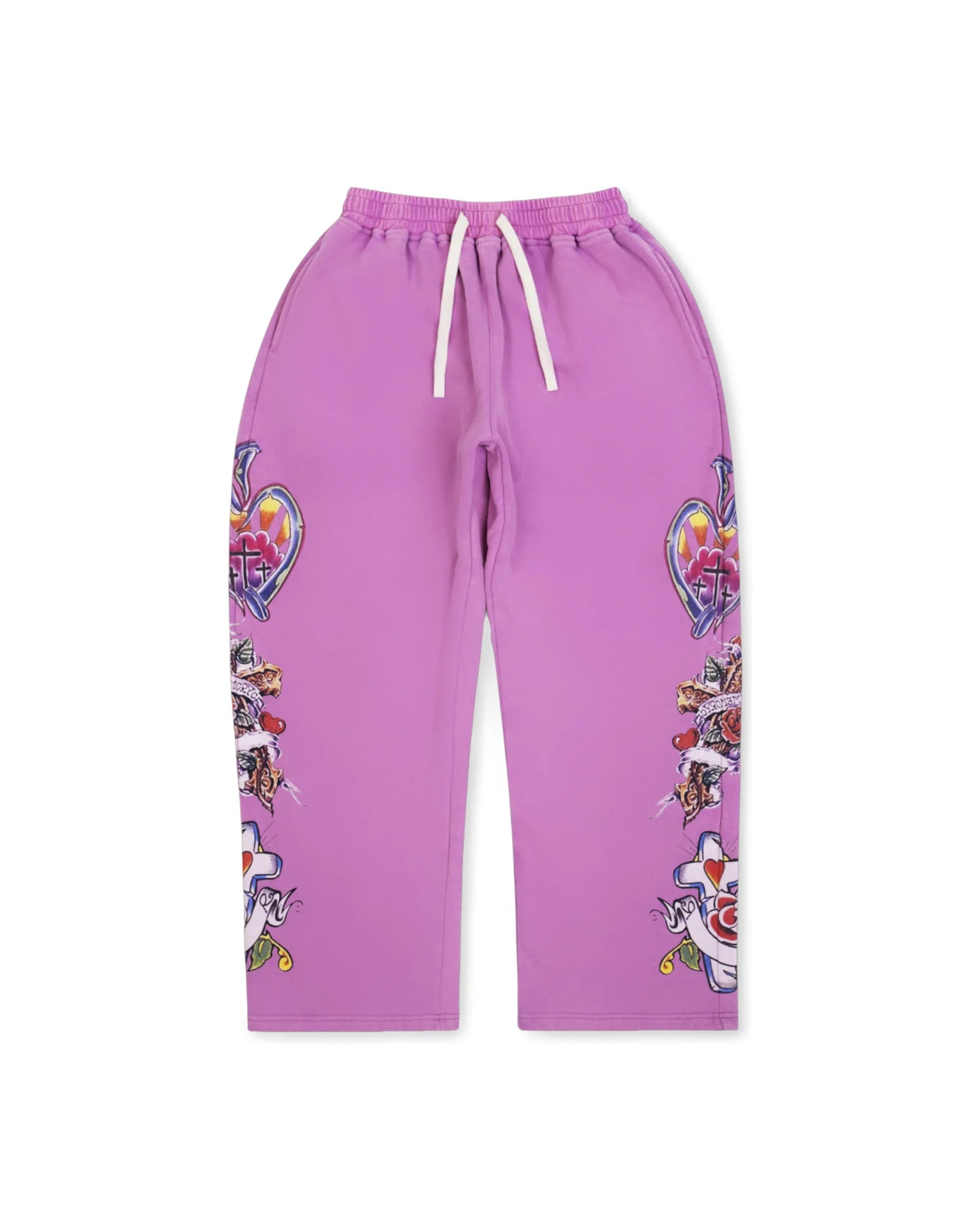
Approach Reviews with a Critical Eye
Some reviews are far more useful than others, which counts for a lot when confirming the legitimacy behind a righteous clothing brand purchase. Seek out reviews that call out specific, verifiable details — exact fit notes, how the fabric holds up after washing, or references against earlier seasons’ releases — rather than vague praise like “great quality, fast shipping” that offers no real substance behind it.
Because video content shows the piece in motion, under shifting lighting, and often zooms in on tags and stitching, video reviews and unboxings are less easily faked. Cross-check any written we are righteous review against at least one other unrelated source before fully relying on it — especially so if it’s suspiciously short or oddly upbeat without substance.
Recurring complaints deserve attention too. Should several reviews point to the same concern — such as sizing running large, or a specific colourway fading sooner than expected — this counts as valid, useful feedback on the genuine product, rather than evidence of a fake. Telling apart “this is a genuine quality issue with the brand” from “this is evidence of a fake” is part of reading critically reviews.
Last Steps Before Completing Your Purchase
Ahead of finalising a purchase, run through a brief mental list: is the seller verified, does the price align with the brand’s known range, do the photos show authentic stitching and tag details, and does the product description match the actual item received. Each of these checks takes more than a few minutes, but collectively they dramatically cut down your chances of receiving a counterfeit.
Whenever post-purchase doubts crop up, reach out to the retailer or the brand directly with clear photos of the item, the tags, and the packaging. A trustworthy retailer won’t shy away from a direct question about authenticity; a cagey or combative reaction is a red flag in itself. Being a savvy buyer isn’t hard — it just requires paying attention to the details that matter.
