

Reading the Table: Casino Etiquette Roulette and the Money Flow
Walk into any Darwin casino on a busy arvo and the roulette floor has its own rhythm, a quiet set of habits that separate seasoned players from tourists guessing at the layout. Casino etiquette roulette is less about superstition and more about how you place bets, handle chips, and move through the cashier without slowing the game. That same discipline matters when you consider how money enters and leaves the table, because a smooth session depends on both manners and mechanics working together.
If you want a practical comparison, think of it like an Olympic relay: one sloppy handoff ruins the split, and the same applies when you are lining up chips while the dealer is calling for the next spin. I have watched automated sports workflows and exchange APIs handle thousands of transactions in seconds, and the lesson carries over here – clear signals, clean timing, and no fuss at the rail. That mindset is what keeps a session readable for everyone around the wheel.
How the Table Actually Runs
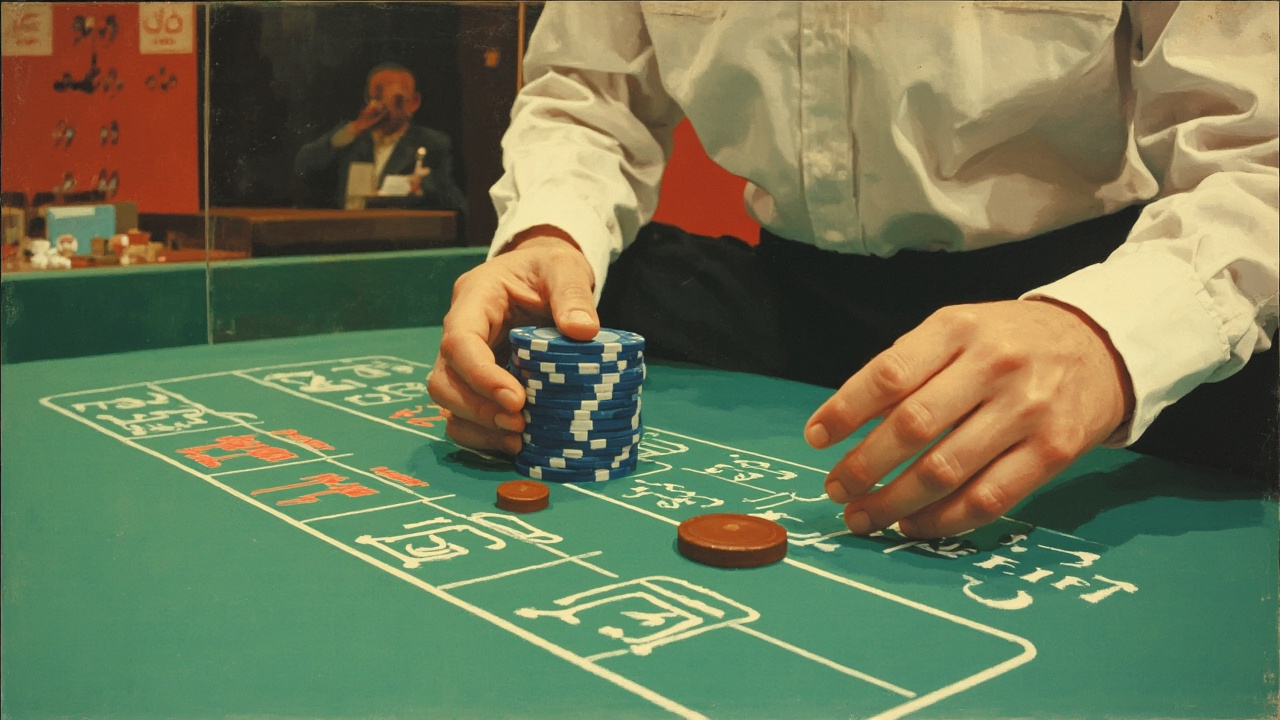
A roulette table is not a free-for-all; it runs on a sequence that dealers and regulars both rely on. You wait for the dealer to clear the previous round, you place your chips only when the betting window is open, and you never reach across the layout once the ball is in motion. That last point is the one most visitors to Darwin break without realising it, especially when they are trying to add a late chip to a neighbour’s split. The dealer will call “no more bets” and any hand movement after that is a clear breach of etiquette, not just a minor slip. steroidvip4.com
There is a simple rhythm that works: read the table, match your chip value to the bet you want, and keep your hands visible. If you are playing with a stack of different denominations, stack them neatly in front of you rather than scattering them across the felt. Dealers appreciate players who know their own bet sizes before the spin, because it keeps the round moving and reduces confusion when payouts land. That is the sort of discipline I look for when I am judging an automated workflow – if the inputs are clean, the output is predictable, and roulette etiquette works the same way.
| Common breach | What it looks like | Smoother alternative |
|---|---|---|
| Reaching after the call | Tapping chips once “no more bets” is called | Finish all placement before the dealer starts the spin |
| Mixed chip stacks | Scattered denominations across the rail | Group your stack by value before you bet |
| Blocking the rail | Standing too close while others place bets | Step back and wait for your turn at the layout |
| Hand signals only | Relying on vague gestures for outside bets | Place chips clearly on the chosen number or section |
Money In, Money Out, and the Cashier Line
The etiquette at the table is only half the picture; the other half is how you handle deposits, withdrawals, and the cashier without turning a quiet session into a drawn-out delay. Casino etiquette roulette extends to the payment flow because a player who knows their own limits and timing keeps the whole operation cleaner. In practical terms, that means you do not top up at the table and then wander off to the cashier mid-spin, and you do not expect the dealer to manage your banking questions while the wheel is live.
For an ordinary Australian reader, the everyday version of this is simple: you set a fixed amount before you arrive, you use one payment method rather than juggling several cards and wallets, and you treat the cashier like a separate step, not an interruption to the game. That habit saves time and keeps your session readable, because you are not constantly stopping to sort out transfers while other players are waiting on their payouts. When the cashier flow is clean, the table stays calm, and that is the real benefit of treating etiquette as a full-loop habit rather than a list of table manners.
Deposits and withdrawals at a well-run operation follow a clear sequence: you register once, verify your identity, choose a currency that matches your account, and then move through the cashier with a single, consistent path. Limits are usually stated before you deposit, processing times vary by method, and verification is not a step you can skip if you want withdrawals to move normally. The point is not to make the process complicated; it is to make it legible, so you know where your money is at each stage instead of guessing after the fact.
Where Automated Discipline Meets the Felt
A roulette session has more in common with a well-built prediction market than most players realise, because both depend on clean inputs, clear timing, and a system that does not break when the pace picks up. I have spent enough time around exchange APIs and automated sports workflows to know that the best infrastructure is the kind you barely notice – it simply keeps the signals accurate when the volume rises. That same judgement call applies to roulette etiquette: if you are consistent with your bets, your chip handling, and your cashier timing, the table behaves more predictably, even when it is busy.
This is not about turning a live game into a machine; it is about recognising that messy habits create messy outcomes. A player who places bets late, mixes denominations, and treats the cashier as an afterthought is effectively introducing noise into a process that already has enough moving parts. The cleaner approach is to treat each part of the session as its own step, with its own rules, so the whole thing stays readable from the first deposit to the final withdrawal.
For a Darwin visitor who only plays occasionally, that discipline can be as simple as deciding your bet size before you sit down, keeping one payment method ready, and knowing when you will step away to the cashier rather than improvising in the middle of a run. That small bit of planning is the difference between a session that feels controlled and one that keeps interrupting itself.
Reading the Room Without Slowing the Game
Good etiquette is also about how you share the table, because roulette is a public layout and every player has a stake in the pace. You do not lean across another player’s bets, you do not offer unsolicited advice while the dealer is working, and you do not treat the rail as personal storage for drinks, phones, and loose chips. Those habits sound minor until you are the one waiting for space to place a corner bet, at which point they become the whole experience.
A useful way to think about it is to treat the table like a shared workflow: everyone gets a clear turn, the dealer gets a clean layout, and the game keeps moving because no one is adding friction. That is the same principle I apply when I am judging an automated system – if one part of the chain creates unnecessary delay, the rest of the chain pays for it. Roulette etiquette is just the human version of that same logic.
- Keep your chips in front of you until you are ready to place them.
- Step back from the rail once your bet is down, especially after the call.
- Use the cashier at a natural break, not in the middle of a spin.
- Match your chip denominations to the bets you actually want to make. Hdd
- Leave the layout clear for the dealer’s payouts and the next round.
Conclusion
Casino etiquette roulette is really about keeping the whole session legible, from the first chip on the felt to the final step at the cashier. If you treat the table, the payment flow, and the shared space as one connected routine, you avoid the small delays and misunderstandings that turn a calm session into a messy one. That is the practical upside: less friction, clearer decisions, and a roulette floor that stays readable for everyone around the wheel.
